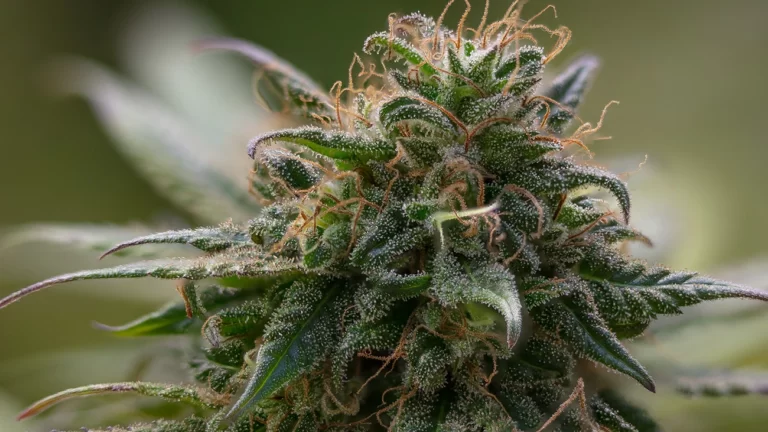

Cannabinoids (phytocannabinoids) are compounds found in the cannabis plant that can interact with the human (animal) endocannabinoid system. In the 90s of the last century, scientists discovered that the human (animal) body produces its own cannabinoids, further research has shown that we have an entire endocannabinoid system that helps maintain our biological system (homeostasis).
The endocannabinoid system consists of receptors located in the brain and central nervous system (CB1) and receptors in the immune system (CB2).
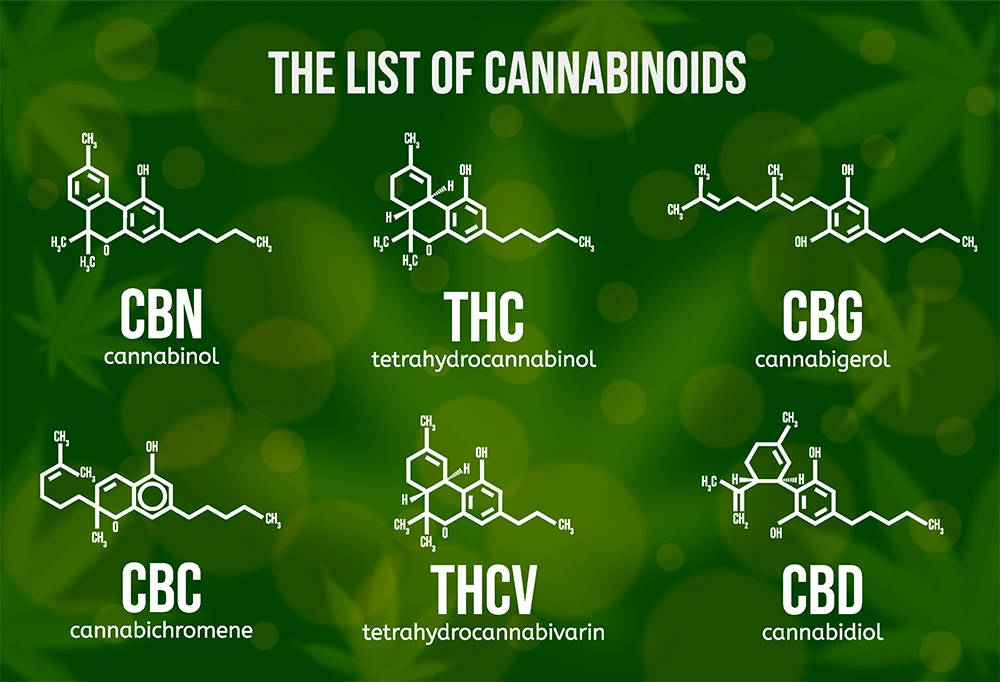
Over 6,000 scientific studies on phytocannabinoids and endocannabinoids have been published in the last 10 years. At least 113 different cannabinoids have been isolated from the cannabis plant, these are the most researched:
THC – Tetrahydrocannabidiol is certainly the most well-known, the main psychoactive compound in the plant, which tests have shown to be anti-cancer, antioxidant, analgesic, anti-proliferative, anti-inflammatory, sedative or anti-sedative, anti-epileptic, prevents nausea and vomiting, promotes sleep and euphoria . In several cases of high-quality testing, the results showed a reduction in the intensity of spasms and the feeling of pain in people suffering from multiple sclerosis.
CBD – Cannabidiol: anti-cancer, anti-proliferative, prevents nausea and vomiting, anti-inflammatory, antibacterial, anti-diabetic, against psoriasis, diarrhea, can act as a sedative or immunosuppressant, stimulates bone growth, against seizures, epilepsy, psychosis, anxiety, turns white turns fat into brown, stimulates the activation of CB1 and CB2 receptors.
CBG – Cannabigerol: Antibacterial, anti-proliferative
CBN – Cannabinol: Has a calming, anti-cancer and anti-inflammatory effect
CBC – Cannabichromene: Anti-inflammatory, anti-proliferative, antimicrobial, sedative and antifungal action, promotes bone growth
THCV – Tetrahydrocannabivarin: stimulates appetite, stimulates bone growth, against epilepsy, diabetes, lipidemia
CBDA – cannabidiol acid: Anti-carcinogenic, anti-proliferative, anti-nausea, anti-vomiting, anti-inflammatory
THCA – Tetrahydrocannabinolic acid: Anti-spasmodic, anti-proliferative, neuro-protective, sedative, promotes a sense of satisfaction, a state of mild euphoria, well-being, acts against nausea, vomiting, inflammation
CBDV – Cannabidivarin: Stimulates bone growth
Cannabidiol (CBD) is a phytocannabinoid that was discovered in 1940, it makes up 40% of industrial hemp extract and is its main cannabinoid, it is important to emphasize that it is not psychotropic. CBD has no effect on endocannabinoid receptors (B1), (B2) but acts indirectly and stimulates our endocannabinoid system, blocking the FAAH enzyme that is responsible for the breakdown of anandamide.
The increased presence of anandamine in the body increases the activity of CB1 receptors and the vitality of the endocannabinoid system. The endocannabinoid system plays an important role in multiple aspects of our nervous system, including the control of movement and motor skills, learning and memory, emotions and motivation, pain regulation, among others.
CBD also binds to various other receptors in the brain, including serotonin 5HT1A (helps with antidepressant effects), TRPV1 (contributes to antipsychoactive effects), the nuclear receptor PPAR-gamma (regulates gene expression) and the GPR55 receptor (contributes to anti-cancer and bone protection) .
Research has shown that CBD, due to its mode of action, is very useful for a wide range of applications, as it affects the synergy and modification of the action of other cannabinoids in hemp. CBD is anti-cancer, anti-inflammatory, antibacterial, anti-diabetic, anti-psoriasis, can act as a sedative or immunosuppressant, stimulate bone growth, against seizures, epilepsy, psychosis, anxiety, turns white fat into brown, stimulates the activation of CB1 and CB2 receptors, among other things .
The mechanism of action of CBD in the body includes the prevention of oxidative damage to cells as well or better than vitamins C and E. Data and research by the World Health Organization show that no harmful effects of CBD on the human body have been found, and not a single case in which CBD produced addictive effects in people who used it for medicinal purposes.
Terpenes are natural compounds, aromatic molecules from the hydrocarbon group that create the unique scents of all plants. The main role of terpenes in nature is to attract pollinators and ensure survival or to repel intruders.
Some terpenes complement cannabinoids by allowing them to enter the bloodstream more easily, such as myrcene, which increases cellular permeability and absorption of cannabinoids into the body. These are some of the most important terpenes used to prevent and treat various physical ailments.
Limonene – Found in the aroma of lemons, oranges, limes and everything citrusy. Proven medicinal properties include antibacterial and antifungal activity, it also works to release serotonin which makes it great for fighting depression or stress as it raises the body’s energy levels.
Myrcene – Found in plants such as myrtle and laurel – a plant from the myrtle family after which the terpene got its name. It has an earthy and musky aroma with notes of tropical fruit
Linalol – Found in lavender, in smaller amounts in cinnamon and mint, it is responsible for the special base smell of cannabis, easily recognizable in every type of cannabis. Due to its calming effect, it is used to fight depression, arthritis and insomnia among others.
Sabinen – It is found in many plants, for example in oak, but it is best known for its concentration in pepper, and it is he who is responsible for the peppery aroma. Due to its antibacterial and anti-inflammatory properties, it is known for its role in the treatment of skin diseases.
Alpha and beta pinene – It is found in different types of pines and in higher concentrations in rosemary and parsley. They are the most common terpenes in nature. These terpenes act on human lungs so that they make breathing easier and are often used in preparations for asthma and other lung problems. .
Beta caryophyllene is rare in nature. It has a spicy, cinnamon-like aroma. It is the only terpene capable of reaching cannabinoid receptors (CB1) and especially (CB2). It acts as an analgesic, prevents anxiety and can also be used to treat alcohol and tobacco addiction.

CARASMAN AT THE DESIGN FESTIVAL Every year, for one week, Zagreb celebrates design with numerous events at dozens of locations. Zagreb Design Week design festival