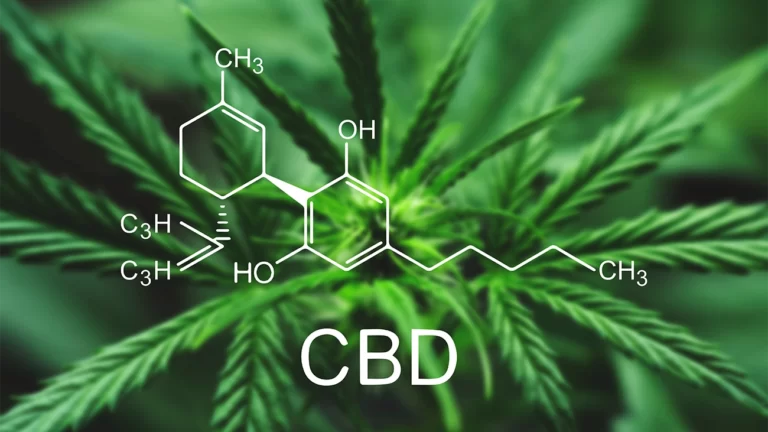

HempMy Pet and Tarleton University, a member of the Texas A&M University System, announced in an organizational statement1 the positive results of their cannabidiol (CBD) studies on thread that focuses on transportation stress.
The aim of the research program was to determine the possibilities that full-spectrum CBD oil can provide to the livestock industry as a tool to mediate stressors, minimize injuries during transport and handling and research health by reducing overstimulation of the hypothalamus, pituitary and adrenal glands, commonly referred to as the HPA axis.1
HempMy Pet and Tarleton University reported that higher doses of CBD (0.6 mg/kg body weight) were more effective overall compared to lower doses of CBD (0.3 mg/kg body weight). At both doses, CBD was undetectable after 24 hours, and the highest blood concentration peaked at 4 hours after administration.
According to the study, no difference was observed in the effects of CBD in male and female horses, but there was an increase in food consumption time with both low and high doses of CBD. The higher dose was observed to have a much longer feeding time compared to the lower dose.
Research has shown that there was a reduction in cortisol levels in the transport portion of the study and that there were no long-term effects of CBD at either low or high doses.
The study used 12 crossbred horses that were given two different doses of CBD over six weeks. The CBD source for this study was added to 5 ml of sunflower lecithin oil. Dosing took place 30 minutes after consuming half a kilo of cereal. (Research on humans has found that the bioavailability of CBD increases four to five times when they eat a high-fat meal.) Who received the full dose divided into two doses:
Low dose Group 1 received 1 mg/kg/day
High dose Group 2 received 3 mg/kg/day
The results of plasma and blood chemistry and synovial fluid analysis were obtained at many time points:
The authors of the study recommend dosing four hours before the desired peak effect.
A notable point was the cost: $30/day for the low dose and $90/day for the high dose used in the study. However, current recommended doses vary between 0.1-1.0 mg/kg/day, which is well below the doses used in this study.
At the AAEP 2021 convention, Michael St Blanc, DVM, of Louisiana State University, presented the results of a study looking at the effects of CBD on equine mentality, coordination, and liver and kidney function.
The 22 purebred geldings in the study were caged and fed 150 mg of CBD (0.3 mg/kg) once a day for 56 days. Control horses were fed only the inactive ingredients of alfalfa meal and sunflower lecithin and meal. Blood values, physical examination findings, plasma concentrations, sedation and ataxia scores were collected on days 0, 28 and 56.
In short, CBD was relatively palatable when added to food. The body weight of the horses did not differ between the treated and control groups. There were no significant changes in blood chemistry parameters, and there was a slight increase in plasma CBD concentration from 40% to 78%. Both sedation and ataxia scores showed no significant differences during the study—all were scored as 0. No adverse effects were observed during the study.
The growing popularity of using CBD to modify equine behavior and address musculoskeletal pain has prompted a number of studies looking at the various effects of CBD. One study at Murray State University in Kentucky looked at heart rate and reactivity after a six-week period of CBD administration [Draeger, A.; Thomas, E.; Jones, K.; et al. Effects of pelleted cannabidiol supplementation on heart rate and reaction scores in horses. Journal of Veterinary Behavior 2021; doi.org/10.1016/j. jveb.2021.09.003].
Researchers looked at the effect of CBD on anxiety and reactivity in horses. Studies have previously reported, “Cannabinoids’ alteration of neurotransmitter release from the brain may result in pain reduction and muscle relaxation, as well as antioxidant and anti-inflammatory effects.”
In the Kentucky study, 17 horses were divided into a treatment group or a control group. All horses received the same management and diet with the exception that the treatment group received a supplement of 40 grams of pelleted CBD containing 100 mg of CBD. This was fed once a day for six weeks. Reactivity testing relied on a novel object response (NE) test the day before and after six weeks of CBD supplementation. The new object tested involved a person standing around the corner of the barn and opening an umbrella as the horse passed by.
The results of the study did not identify any change in heart rate between the treated and control horses, although the CBD-treated horses were less reactive than the control horses.
Recent alleviation efforts have focused on the use of therapeutic molecules directed against visceral and somatic pain such as that experienced in gastric colic. CBD is a potentially useful new therapeutic agent that could be used for this purpose.
An Italian study dealt with the pathophysiology of receptors within the ileum of six healthy 1.5-year-old horses slaughtered for food purposes [Galiazzo, G.; Tagliavia, C.; Giancola, F.; et al. Localization of cannabinoids and cannabinoid-related receptors in the horse ileum. Journal of Equine Veterinary Science 2021, Volume 104; https://doi.org/10.1016/j. jevs.2021.103688].
Two receptors—CB1R and CB2R—play a protective role in inflammatory bowel disease in humans, and have been tested in the equine ileum for their potential use as pharmacological targets. These receptors are widely distributed in the equine ileum. CB1R plays a role in the regulation of intestinal permeability, cell regeneration, wound healing and inflammation. CB2R has also been identified in enterocytes with a role in maintaining the integrity of the intestinal mucosa and immunomodulatory effects in immune cells, such as reducing lymphokine production.
Other CBD-related receptors in the intestinal tract regulate lipid metabolism and have anti-inflammatory effects.
All these receptors have been identified in the ileum; no other parts of the intestine were examined.
The authors summarized: “Different cell types (epithelial cells, immune cells, neurons, glia cells and muscle cells) showed immunoreactivity for the studied receptors, highlighting the important role of the endo-cannabinoid system in gut homeostasis.” It is possible that trials could identify therapeutic uses against visceral pain, inflammation and improving intestinal motility using CBD.”
Mechanical allodynia is a syndrome involving a painful response to a non-painful stimulus, such as hypersensitivity to touch. A study at Colorado State University (CSU) evaluated the effect of CBD on alleviating the hypersensitivity of a 4-year-old Quarter Horse mare to touch around the withers and shoulders [Ellis, K.; and Contino, E. Cannabidiol treatment in horses with mechanical allodynia. Equine Veterinary Education 2019; doi: 10.1111/eve.13168].
No abnormalities were found in the hypersensitive mare after diagnostic imaging or physical examination. The neurological examination was normal and there was no lameness. Hormonal analysis did not reveal any abnormalities.
At the touch of her withers or shoulders, she would jerk uncontrollably, kick and punch to the point of becoming dangerous. Only very mild improvement was observed after two doses of dexamethasone 20 mg daily and 5000 IU vitamin E daily given prior to her presentation to CSU.
Treatments after thorough examination and imaging included gabapentin, systemic prednisolone, magnesium, and continued vitamin E without success over a three-month period.
The client was offered other diagnostic tests and treatments with Regumate or reserpine, but she decided to try the mare on CBD.
In just 36 hours of treatment with 250 mg (o.5 mg/kg) CBD twice daily, the mare showed significant improvement in nociception and neuropathic pain with CBD.
An attempt to halve the mare’s dose failed as her clinical signs immediately reappeared. She returned to a dose of 250 mg twice daily, which was then gradually tapered over two months without recurrence of clinical signs.
Her maintenance dose is 150 mg (0.33 mg/kg) CBD orally once daily. The owner reports an overall improvement of 90%.
The authors noted that type 2 cannabinoid receptors are present in the central nervous system and lymphoid tissue. CBD mediates the release of cytokines from immune cells to reduce inflammation and pain. Type 1 cannabinoid receptors in the brain influence the release of neurotransmitters to help calm and reduce anxiety.
The use of cannabinoids could help modulate pain and behavioral difficulties in horses, but the authors recommend more research to “establish safety, bioavailability, dosage and drug interactions.”
If you and your vet decide that you should try CBD as a treatment for your pet, there are a few things to keep in mind when purchasing CBD oil.
Not all oils are the same; you’ll want high-quality CBD oil, as it has a better chance of working. Look for organic. If CBD oil is not organic, it should at least not contain pesticides, fungicides or solvents.
Don’t buy based on price alone. Higher quality and purity are usually associated with a higher price. A cheaper option could contain toxic substances such as pesticides, herbicides or heavy metals. Make sure your CBD oil is additive-free.
Take the analysis. The manufacturer should provide a certificate confirming the amount of CBD contained in the product. Many CBD products contain only small amounts of CBD. You’ll also want to make sure there is little or no THC in the product.
Buy CBD as a liquid, the best form to administer is oil or tincture. In this way, you can adjust the dose for your pet drop by drop.
Hemp (cultivated hemp, lat. Cannabis) is a genus of plants, with the only species Cannabis sativa, which has 3 subspecies, and belongs to the hemp